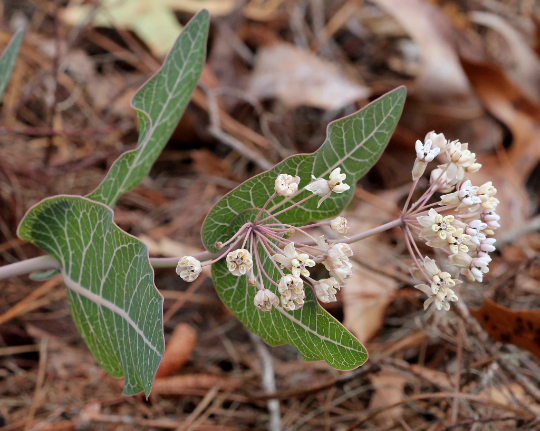
Bombax ceiba, commonly known as the red silk cotton tree or kapok tree, is a deciduous tree native to the tropical and subtropical regions of Asia. Here are some key features and information about Bombax ceiba:
Appearance: The red silk cotton tree is a large and tall tree that can reach heights of up to 60 meters (200 feet). It has a straight trunk and a broad, spreading crown. The bark is gray and smooth when young, becoming fissured and corky as the tree matures.
Leaves: The leaves of Bombax ceiba are palmate, typically composed of five to seven leaflets. The leaves are deciduous, meaning they are shed during the dry season.
Flowers: The tree produces large, showy flowers that are usually red, pink, or white. The flowers have five petals and are borne on long stalks. They bloom in clusters before the new leaves appear.
Fruit: The fruit of the red silk cotton tree is a large, woody capsule filled with fluffy, cotton-like fibers. These fibers surround the seeds and are used to stuff pillows and cushions. The tree releases the fibers into the air when the fruit bursts open.
Cultural Significance: Bombax ceiba holds cultural and religious significance in various regions. In some cultures, it is considered sacred, and parts of the tree are used in traditional medicine.
Ecological Importance: The tree provides habitat and food for various wildlife species. Birds are known to use the tree for nesting, and the nectar-rich flowers attract pollinators such as bees and butterflies.
Traditional Uses: Various parts of the tree have been traditionally used for different purposes. The wood is used in construction and carving, and the cotton-like fibers are utilized for stuffing pillows and mattresses.