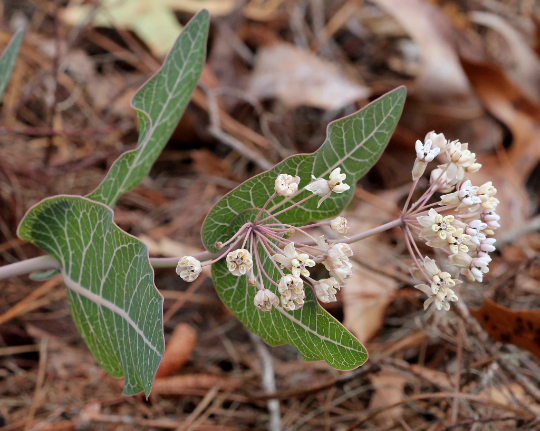
Arbutus menziesii, commonly known as the Pacific madrone or madrona, is a distinctive evergreen tree native to the western coastal areas of North America. Here are some key features and information about Arbutus menziesii:
Appearance: The Pacific madrone is known for its unique and striking appearance. It has smooth, reddish-brown bark that peels away in thin layers, revealing a bright green layer beneath. The leaves are leathery, dark green, and have a glossy surface.
Flowers and Fruit: The tree produces small, urn-shaped white flowers that bloom in clusters. The flowers are followed by round, orange to red berries. The berries are not typically consumed by humans but are an important food source for various wildlife.
Habitat: Arbutus menziesii is commonly found in coastal regions, including dry forests, rocky slopes, and coastal bluffs. It is well adapted to the mild and wet climate of the Pacific Northwest.
Ecological Importance: The tree plays a role in supporting local ecosystems by providing habitat and food for birds and other wildlife. The berries are particularly attractive to birds.
Fire Adaptation: Pacific madrone is adapted to periodic wildfires. Its thick bark helps protect it from the heat of fires, and it can resprout vigorously after a fire has passed.
Cultural Significance: The Pacific madrone has cultural significance for indigenous peoples in the region. It has been used for various purposes, including crafting tools and utensils from its wood.